

Dalton Building Enclosures Expands Innovative Metal Facade Solutions in Ohio
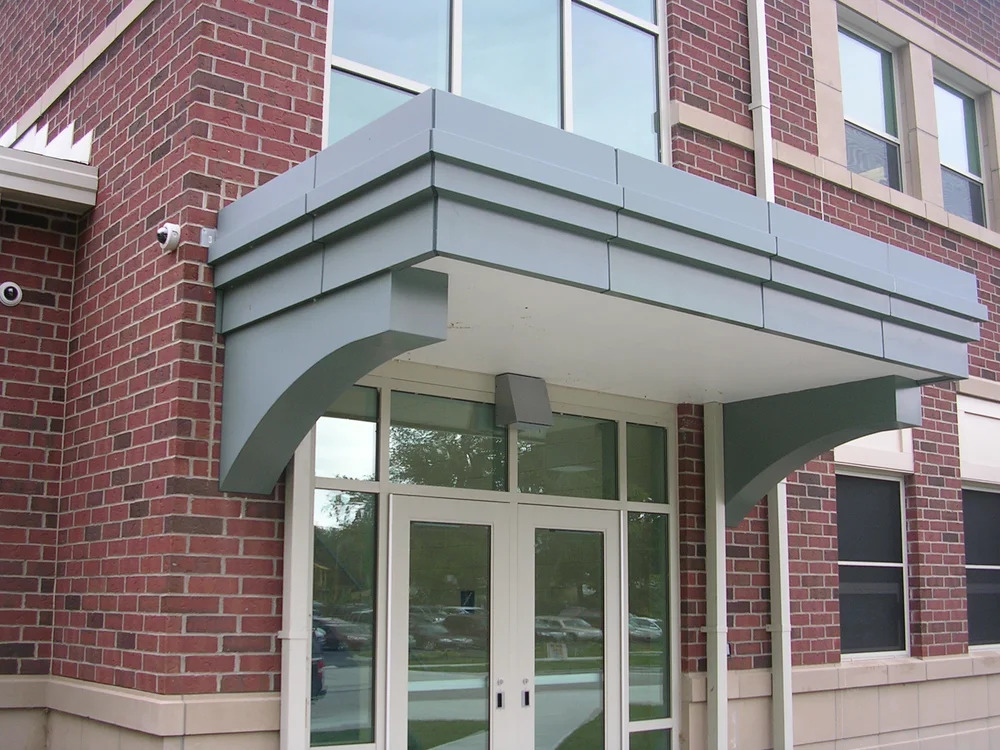
aluminum composite metal panels
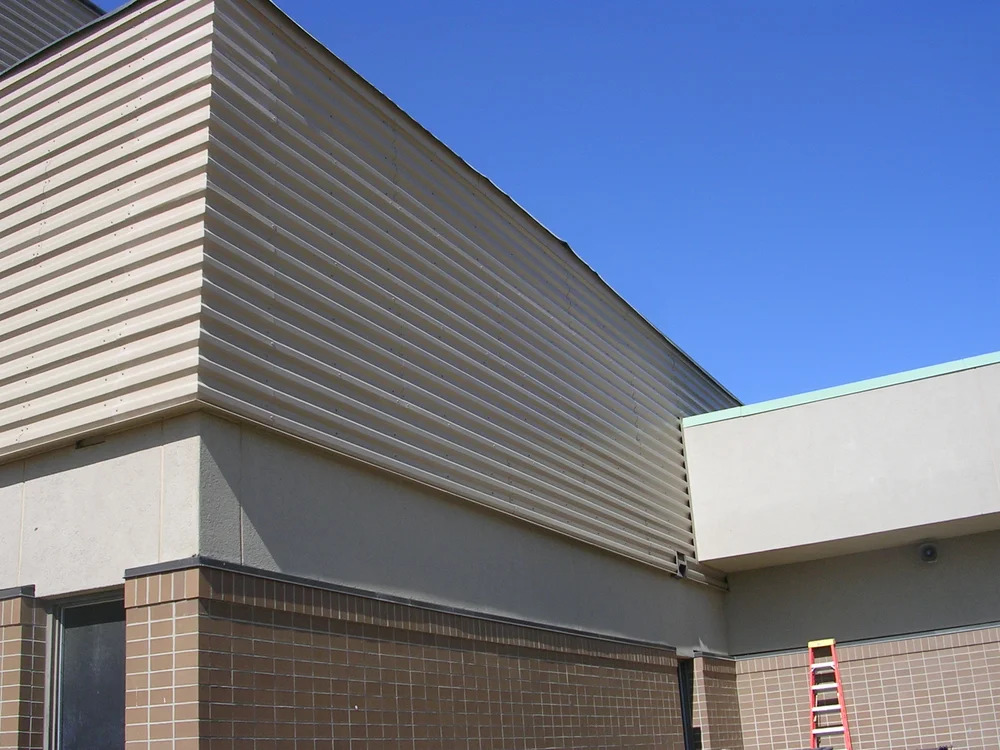
exterior metal siding panels
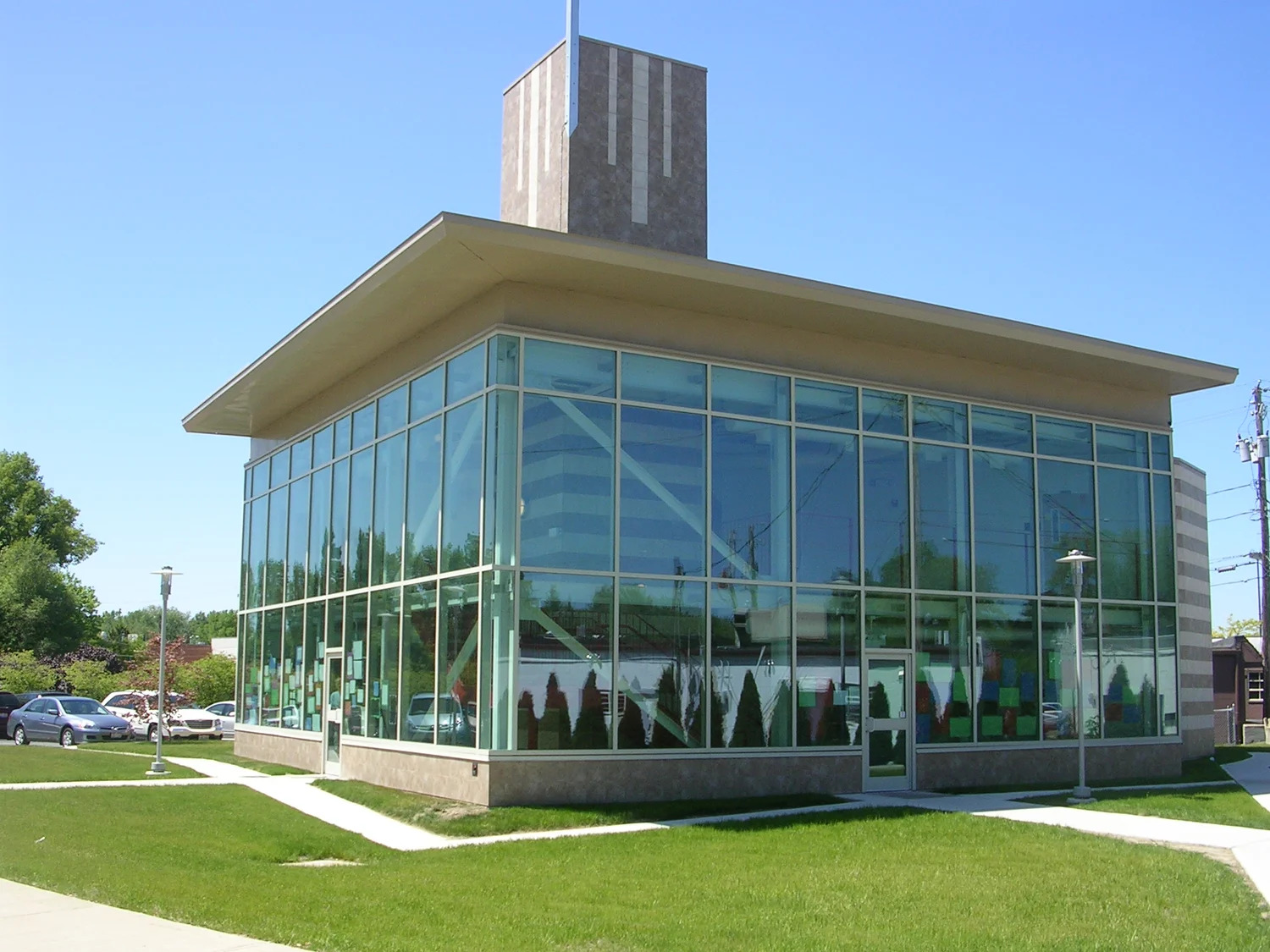
flush metal wall panels
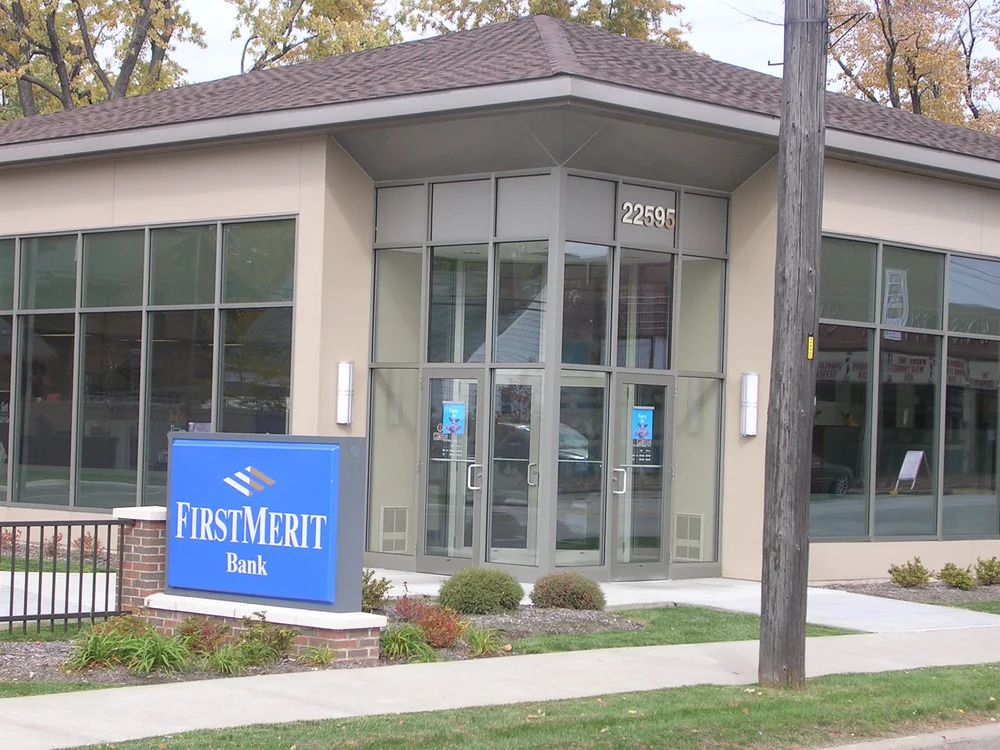
metal panel systems
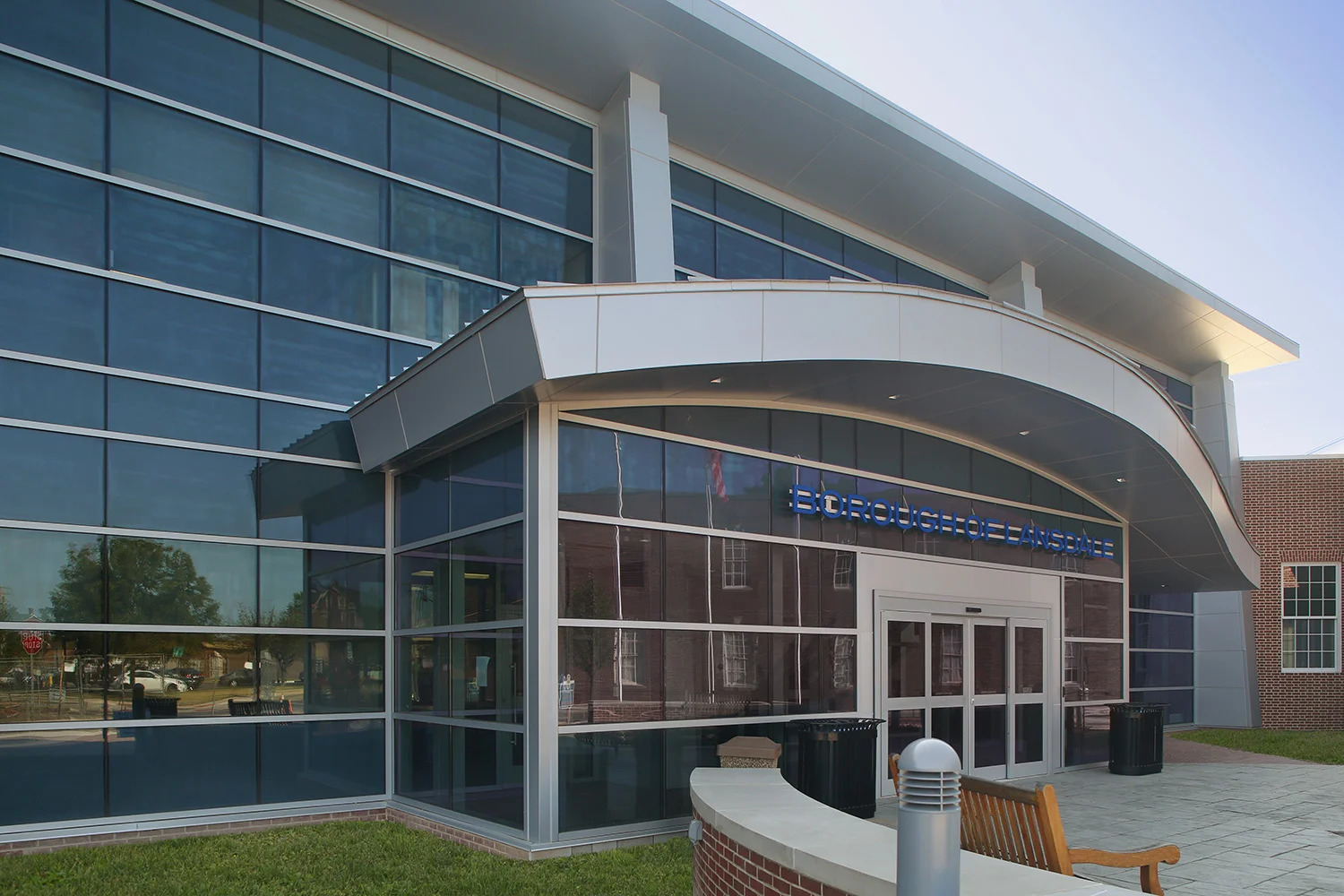
wall panels
Meeting growing industry demand, Dalton Building Enclosures enhances exterior metal panel solutions for commercial and institutional construction.
BEDFORD HEIGHTS, OH, UNITED STATES, June 8, 2026 /EINPresswire.com/ -- Dalton Building Enclosures has announced the continued expansion of its architectural facade and exterior cladding solutions with a focus on aluminum composite metal panels, flush metal wall panels, and exterior metal siding panels for commercial, institutional, industrial, and mixed-use construction projects across the United States.The company continues to support modern building projects requiring durable exterior systems, coordinated wall panel integration, and contemporary architectural facade solutions. The announcement reflects ongoing industry demand for engineered metal panel systems that can support modern building design requirements while addressing exterior performance considerations.
Commercial construction projects continue to place greater emphasis on durable facade materials, long-term exterior performance, and clean architectural presentation. As a result, many developers, architects, contractors, and facility owners are incorporating modern metal panel systems into both new construction and renovation projects.
Dalton Building Enclosures provides multiple architectural wall systems designed to support varying project requirements across healthcare, education, retail, office, transportation, manufacturing, hospitality, and civic developments.
Modern Exterior Systems Continue to Influence Commercial Construction
Exterior cladding systems continue to play an important role in modern commercial construction projects. Architects and construction professionals increasingly prioritize facade materials that support contemporary appearance standards while also addressing durability and long-term operational planning.
The use of aluminum composite metal panels continues to increase in projects where sleek facade presentation and flat surface appearance are priorities. These systems are commonly integrated into contemporary commercial developments requiring modern architectural styling.
At the same time, flush metal wall panels remain widely used in projects focused on streamlined exterior layouts and clean wall transitions. Their smooth profile continues to align with current architectural preferences, emphasizing minimal visual interruption and organized facade geometry.
The use of exterior metal siding panels also continues to expand across industrial and commercial sectors where durable wall systems and adaptable exterior materials remain essential considerations. Many modern building projects now require facade systems capable of coordinating with insulation assemblies, air barriers, structural framing, soffit systems, roofing assemblies, and moisture management strategies as part of broader building enclosure planning.
Demand for Architectural Metal Panel Systems Continues to Grow
Commercial construction sectors continue to experience growing demand for engineered architectural wall systems. Exterior metal panels are increasingly incorporated into projects that require both modern appearance and long-term durability.
Architectural firms are commonly integrating aluminum composite metal panels into office developments, educational campuses, healthcare facilities, mixed-use structures, hospitality properties, and public-use buildings. These systems are often selected because they can support clean exterior presentation across large wall surfaces while allowing flexibility in facade design.
Similarly, flush metal wall panels continue to gain attention because they create smooth exterior transitions and a consistent visual appearance across building elevations.
Modern exterior metal siding panels are also being incorporated into commercial and industrial developments that require durable exterior materials capable of adapting to changing operational requirements. Industry demand for architectural metal systems continues to expand due to evolving construction priorities associated with:
• Exterior durability
• Modernized building appearance
• Reduced maintenance planning
• Long-term operational considerations
• Facade consistency across large developments
• Integration with contemporary architectural concepts
As building designs continue to evolve, metal panel systems remain a common part of modern commercial facade planning.
Aluminum Composite Metal Panels Continue to Support Modern Facade Design
The use of aluminum composite metal panels continues to grow across multiple construction sectors because of their sleek appearance and adaptable design characteristics.
These systems generally consist of metal skins bonded to a composite core, creating lightweight architectural panels commonly used in contemporary commercial facades.
Architectural teams frequently specify aluminum composite metal panels for projects requiring organized exterior presentation and modern visual continuity. The systems are commonly incorporated into office buildings, educational facilities, healthcare campuses, retail developments, and civic structures.
Many commercial developments now prioritize facade materials capable of creating flat and uninterrupted wall surfaces. Aluminum composite metal panels continue to support these design goals because of their smooth finish and flexible integration capabilities.
The systems are also frequently combined with:
• Glass curtain wall systems
• Window assemblies
• Architectural trims
• Soffit panels
• Entrance canopies
• Metal accent systems
Modern architectural projects often require multiple facade materials working together across a single building envelope. As a result, coordinated metal panel systems continue to play a major role in facade planning.
Many renovation and retrofit projects are also incorporating aluminum composite metal panels to update aging commercial structures. Exterior modernization initiatives commonly focus on improving building appearance while supporting long-term operational performance and maintenance planning.
Educational campuses, healthcare facilities, office parks, and municipal buildings frequently undergo facade upgrades intended to align older structures with more contemporary architectural standards.
Commercial Office Buildings Continue to Use Modern Wall Panel Systems
Commercial office developments continue to adopt modern facade systems that combine visual simplicity with exterior durability. Architectural firms often select flush metal wall panels for office developments because they create organized exterior surfaces that align with minimalist architectural trends.
Many office buildings now incorporate large glass systems alongside metal wall panels to create contemporary facade compositions. Smooth metal surfaces, simplified exterior transitions, and coordinated material layouts continue to shape modern office architecture.
The use of aluminum composite metal panels in office developments also remains common because these systems can support clean lines and consistent facade appearance across multi-story structures.
Exterior material selection in office projects is often influenced by:
• Long-term maintenance planning
• Architectural consistency
• Exterior durability
• Modern tenant expectations
• Design coordination across building elevations
Modern office architecture increasingly emphasizes a clean exterior appearance without excessive ornamentation. Metal panel systems continue to support this evolving design direction.
Flush Metal Wall Panels Continue to Support Contemporary Architectural Trends
The use of flush metal wall panels remains widespread across commercial and institutional construction projects focused on modern design aesthetics. Unlike heavily profiled exterior systems, flush metal wall panels create smooth and uninterrupted wall surfaces that contribute to simplified facade layouts.
Many architects continue to incorporate these systems into educational, healthcare, office, and mixed-use developments because they align with current preferences for organized exterior geometry and modern architectural styling. The systems are commonly installed in both vertical and horizontal orientations, depending on project requirements and design objectives. Several factors continue to influence the growing use of flush metal wall panels across construction sectors.
Clean Exterior Appearance
Modern commercial projects often prioritize simplified exterior presentation. Flush metal wall panels help support this approach by reducing excessive visual texture across building surfaces.
Compatibility with Multiple Materials
Many projects combine metal wall systems with masonry, glass, architectural concrete, wood-look finishes, and metal accents to create balanced facade compositions.
Adaptability across Building Types
The systems continue to appear across educational campuses, healthcare facilities, retail developments, office buildings, transportation projects, and public-use facilities.
Long-Term Exterior Durability
Commercial projects often require materials capable of performing across varying environmental conditions. Metal wall systems continue to be selected because of their durability and broad application flexibility.
Exterior Metal Siding Panels Continue to Serve Industrial and Commercial Sectors
The use of exterior metal siding panels remains common across industrial, warehouse, manufacturing, logistics, and commercial construction sectors. Large-scale facilities frequently require durable exterior systems capable of supporting long operational life cycles while maintaining a consistent exterior appearance.
Modern exterior metal siding panels are available in multiple profiles, finishes, and configurations intended to accommodate varying architectural and operational requirements.
Industrial construction projects continue to evolve in appearance as developers increasingly seek facilities that balance functionality with contemporary architectural presentation.
Many industrial and commercial developments incorporate exterior metal siding panels because they can support:
• Large building footprints
• Operational durability
• Flexible installation layouts
• Long-term maintenance planning
• Exterior weather resistance
• Coordination with roofing systems
Modern industrial facilities increasingly incorporate architectural detailing and contemporary facade concepts alongside traditional operational priorities. As a result, exterior wall systems are now expected to contribute to both functionality and visual presentation.
Educational Facilities Continue to Incorporate Metal Facade Systems
Educational construction projects continue to utilize aluminum composite metal panels and flush metal wall panels across schools, colleges, universities, and institutional campuses. Many educational facilities require durable exterior systems capable of supporting long-term occupancy and changing environmental conditions.
Architectural teams also prioritize facade systems that create an organized campus appearance while maintaining consistency across new buildings and future expansions. Modern educational facilities increasingly incorporate contemporary exterior layouts, coordinated facade materials, durable wall systems, simplified exterior detailing, and long-term maintenance planning into overall project development.
Metal panel systems continue to support these requirements across multiple educational project types. Many schools and institutional buildings now use modern facade systems to maintain a clean architectural appearance while supporting practical operational needs across large campuses.
Renovation projects within educational sectors also continue to contribute to increased demand for modern facade systems. Many older campus buildings are being updated with new exterior materials to improve appearance, support ongoing operational use, and align with current architectural standards.
Healthcare Facilities Continue to Prioritize Durable Exterior Systems
Healthcare construction projects continue to emphasize organized architectural appearance and long-term operational durability. Hospitals, medical offices, specialty clinics, and healthcare campuses frequently incorporate flush metal wall panels and aluminum composite metal panels into modern building designs.
Healthcare developments often prioritize facade systems capable of supporting:
• Long-term maintenance planning
• Exterior consistency across campuses
• Modern architectural appearance
• Durable exterior protection
• Integration with large building envelopes
Many healthcare facilities also undergo expansion and renovation projects that require coordinated exterior materials capable of blending with existing structures. Modern metal panel systems continue to support these architectural and operational requirements across healthcare construction sectors.
Renovation and Retrofit Projects Continue to Influence Facade Planning
Facade modernization projects continue to represent a growing portion of commercial construction activity. Many older buildings are undergoing exterior renovations intended to improve architectural appearance, support building longevity, and align with updated design standards.
Architects and property owners frequently incorporate aluminum composite metal panels, flush metal wall panels, and exterior metal siding panels into renovation projects because these systems can integrate with existing structures while supporting updated exterior aesthetics.
Common renovation objectives include:
• Exterior modernization
• Improved facade consistency
• Updated building appearance
• Reduced maintenance concerns
• Integration with building additions
• Long-term durability planning
Educational buildings, municipal facilities, office structures, retail centers, and healthcare campuses continue to undergo facade updates involving modern metal panel systems.
Exterior Cladding Systems Continue to Support Building Envelope Strategies
Modern building envelopes are designed to coordinate multiple systems intended to support long-term exterior protection and operational performance. Exterior cladding materials commonly work alongside air barriers, thermal insulation systems, moisture management assemblies, structural framing systems, roofing systems, and drainage components as part of integrated enclosure planning.
Modern commercial construction increasingly emphasizes building enclosure strategies where multiple systems function together across the exterior structure. Architectural teams continue to incorporate aluminum composite metal panels, flush metal wall panels, and exterior metal siding panels into these coordinated facade assemblies because these systems can integrate with broader exterior planning requirements.
Exterior systems are often selected not only for architectural appearance but also for their ability to support moisture management, exterior durability, insulation coordination, and long-term building performance objectives across commercial and institutional projects.
Material Selection Continues to Reflect Changing Construction Priorities
Commercial construction material selection is increasingly influenced by both design expectations and operational planning requirements. Exterior systems are commonly evaluated according to architectural appearance, durability expectations, maintenance planning, structural compatibility, installation coordination, environmental exposure conditions, and long-term operational goals.
As contemporary architecture continues to evolve, many project teams prioritize facade systems capable of supporting simplified exterior presentation and adaptable design integration. The continued use of flush metal wall panels reflects broader architectural interest in smooth and organized building surfaces that align with modern design trends.
Similarly, aluminum composite metal panels remain widely recognized for their clean facade appearance and compatibility with modern commercial architecture. Their adaptability across multiple project types continues to make them a common choice for office buildings, educational facilities, healthcare projects, and mixed-use developments.
The use of exterior metal siding panels also continues to expand because of their adaptability across industrial and commercial developments. Many project teams continue to incorporate these systems into facilities requiring durable exterior materials capable of supporting long-term operational performance and modern architectural presentation.
Coordination Between Design and Construction Teams Remains Important
Modern facade systems typically require coordination between architects, engineers, estimators, contractors, and fabrication teams throughout the project lifecycle.
Exterior wall systems must align with project specifications, structural requirements, installation sequencing, and building enclosure planning.
Dalton Building Enclosures continues to support project coordination associated with architectural metal wall systems and commercial facade integration. Many projects involving aluminum composite metal panels, flush metal wall panels, and exterior metal siding panels require coordinated detailing involving wall transitions, insulation systems, attachment methods, moisture management strategies, and roofing integration.
As commercial construction projects continue to increase in complexity and scale, facade coordination remains an important part of project planning and execution.
Modern Architecture Continues to Favor Simplified Facade Design
Current architectural trends continue to emphasize simplicity, clean geometry, and organized facade composition.
Many contemporary developments now prioritize:
• Minimal exterior interruption
• Consistent wall layouts
• Modern material integration
• Coordinated facade transitions
• Balanced architectural detailing
The smooth appearance associated with flush metal wall panels continues to align with these modern design preferences. At the same time, aluminum composite metal panels remain a widely used solution for projects requiring a sleek facade presentation and contemporary architectural styling.
Modern exterior metal siding panels are also increasingly incorporated into projects where industrial durability and updated architectural appearance must work together across a single building design.
About Dalton Building Enclosures
Dalton Building Enclosures provides architectural wall panel systems and exterior building enclosure solutions for commercial, institutional, industrial, and mixed-use construction projects. The company offers facade systems that include aluminum composite metal panels, flush metal wall panels, and exterior metal siding panels for both new construction and renovation applications across multiple sectors.
Mac Dalton
Dalton Building Enclosures
+1 330-274-3100
Estimating@DaltonBE.com
Legal Disclaimer:
EIN Presswire provides this news content "as is" without warranty of any kind. We do not accept any responsibility or liability for the accuracy, content, images, videos, licenses, completeness, legality, or reliability of the information contained in this article. If you have any complaints or copyright issues related to this article, kindly contact the author above.
